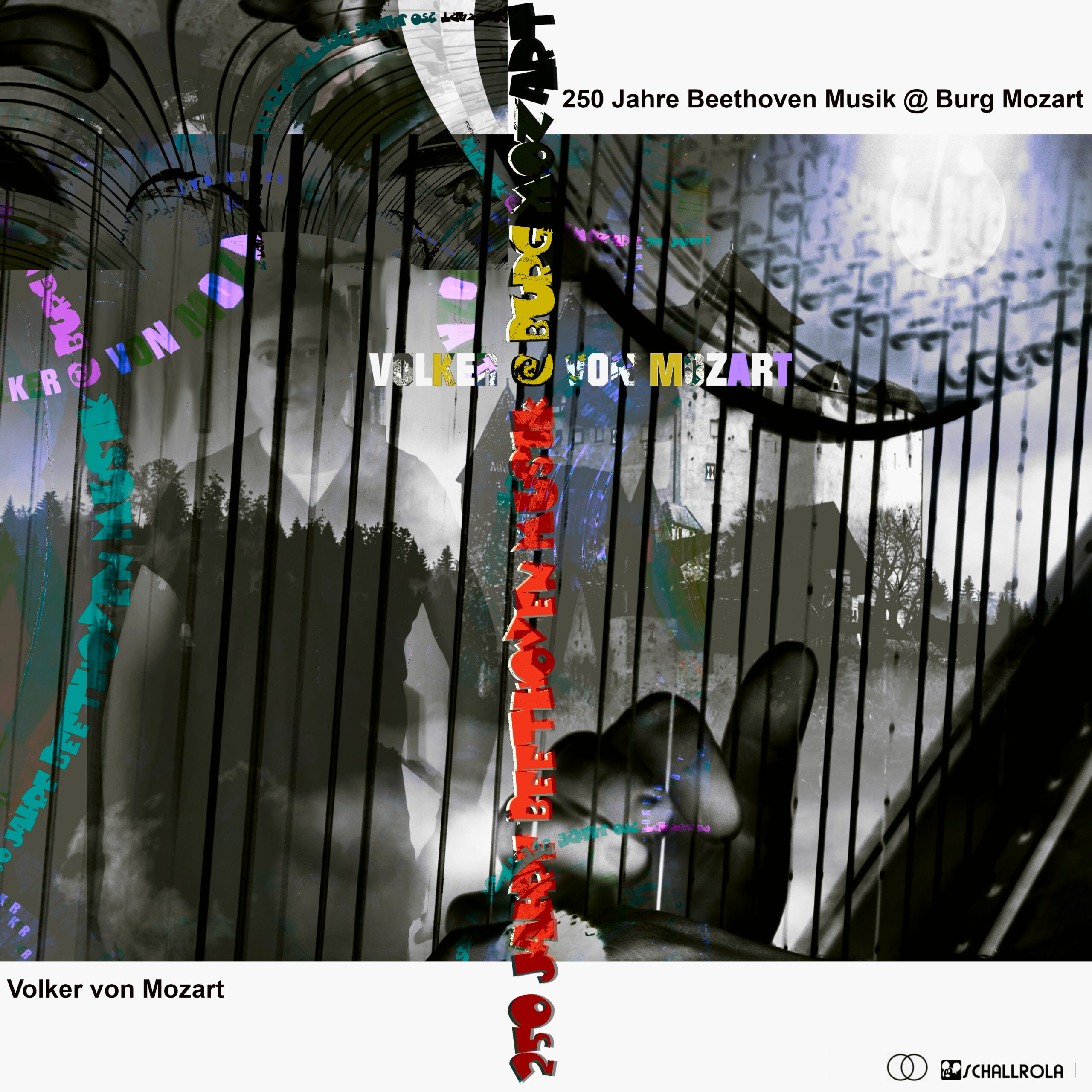
Experience the Ultimate Beethoven Masterpiece Reimagined
Welcome to the definitive digital home for a unique classical performance. Discover Ludwig van Beethoven’s monumental An die Freude (Ode to Joy) from the 9th Symphony in D minor, Op. 125 (4th Movement: Finale), beautifully adapted and performed exclusively on the harp by Volker von Mozart.
What We Offer:
- The Full Masterpiece: A rare and intimate harp interpretation of the world’s most famous choral finale.
- Structured Learning & Listening: The performance is meticulously divided into Lied Sections 1 to 5, allowing you to explore the harmonic depth of the arrangement step by step.
- Artistic Precision: Insight into the unique arrangement and technical execution by performer Volker von Mozart.
Stream the tracks, explore the sheet music structure, and immerse yourself in a brand-new acoustic experience of Beethoven’s vision.
1.
Discover Beethoven’s 9th Symphony Finale (Ode to Joy) played with harp. Explore the harp sound by Volker von Mozart in Sections 1 to 5.
…or something like this:
A Unique Symphony, structured into 5 Lied Sections
In this exclusive instrumental interpretation, performer Volker von Mozart has meticulously divided the sprawling choral finale into 5 distinct Lied Sections. Transcribed and arranged by Volker Wolfgang Schidlowski, this structure reflects the natural repetitions and thematic evolutions of Beethoven’s main theme.
By replacing the massive vocal choir and towering orchestral blocks entirely with the intricate, resonant voice of the harp, this arrangement offers an unprecedented, intimate window into Beethoven’s harmonic genius: Freude schöner Götterfunken!
2.
The Eternal Majesty of Beethoven’s 9th Symphony: Ode to Joy
Ludwig van Beethoven’s 9th Symphony in D minor, Op. 125, premiered in Vienna in 1824, stands as one of the greatest achievements in human cultural history. The monumental work broke traditional boundaries by introducing vocal soloists and a full choir into a symphonic structure for the very first time. At the absolute heart of the 4th Movement: Finale (Chor) lies the world-famous theme of the Ode to Joy (An die Freude), based on the uplifting poetry of Friedrich Schiller.
Throughout the grand finale, this iconic „Joy“ melody is not merely played once; it undergoes a brilliant series of variations, shifting textures, and repeating thematic cycles to build immense emotional power.
A Unique Masterpiece Structured into 5 Lied Sections
In this exclusive instrumental interpretation, performer and arranger Volker von Mozart has meticulously divided the sprawling choral finale into 5 distinct Lied Sections. This structure reflects the natural repetitions and thematic evolutions of Beethoven’s main theme.
By replacing the massive vocal section through the quiet harp playing entirely with the wooden sounding, resonant voice of the harp, this arrangement offers an unprecedented, intimate window into Beethoven’s harmonic genius.
- 9th Symphony in D minor, Op. 125, 4th Movement: Finale [Lied Abschnitt 1 | Harfe]
The journey begins with the pure exposition of the core theme. The harp gently introduces the fundamental „Ode to Joy“ melody, capturing the innocence and quiet triumph of the opening bars with crystal-clear string articulation. - 9th Symphony in D minor, Op. 125, 4th Movement: Finale [Lied Abschnitt 2 | Harfe]
As the melody repeats, the arrangement builds complexity. This section mirrors Beethoven’s traditional polyphonic layering, adding subtle harmonic counter-melodies that dance across the harp’s upper register. - 9th Symphony in D minor, Op. 125, 4th Movement: Finale [Lied Abschnitt 3 | Harfe]
The emotional intensity deepens. In this phase, the harp replicates the driving energy of the symphonic development, utilizing rich bass chords to emulate the depth originally delivered by the lower orchestral strings and male chorus voices. - 9th Symphony in D minor, Op. 125, 4th Movement: Finale [Lied Abschnitt 5 | Harfe]
The final resolution. This closing section brings the thematic cycles of the „Ode to Joy“ to a sublime, peaceful, yet powerful conclusion, leaving the listener with the lingering, resonant warmth of the harp strings.
3.
9th Symphony in D minor, Op. 125, 4th Movement: Finale [Lied Abschnitt 4 | Harfe]
Reaching a majestic peak, this section translates the triumphant choral bursts into rapid arpeggios and brilliant, cascading harp techniques. The instrument fully embraces its role as both the driving rhythm and the soaring vocal soloist.
4.
9th Symphony in D minor, Op. 125, 4th Movement: Finale [Lied Abschnitt 5 | Harfe]
The final resolution. This closing section brings the thematic cycles of the „Ode to Joy“ to a sublime, peaceful, yet powerful conclusion, leaving the listener with the lingering, resonant warmth of the harp strings.
5.
The Human Tragedy and Global Legacy of the 9th Symphony
Behind the triumphant notes of the 9th Symphony lies one of the most poignant tragedies in music history. By the time of its premiere in 1824, Ludwig van Beethoven was completely deaf. Unable to hear the roaring standing ovation of the Viennese audience, a soloist famously had to turn the maestro around so he could see the wild applause, tears, and waving handkerchiefs of the deeply moved crowd.
Beethoven’s profound isolation makes his creation of the Ode to Joy even more miraculous. Instead of despair, he chose to gift humanity a universal message of hope, peace, and brotherhood.
Today, this vision transcends classical music. The iconic Ode to Joy melody has been adopted as the official Anthem of Europe by the European Union. Standing as a symbol of unity, freedom, and solidarity, Beethoven’s masterpiece continues to connect people across borders—whether performed by a massive world-class orchestra or captured in the intimate, delicate strings of Volker von Mozart’s harp arrangement.